
So you want to grow a coffee bean plant? First, a tiny reality check: this isn’t the shortcut to a never-ending supply of morning brew (sadly). But it is a genuinely fun, slightly fussy, deeply satisfying houseplant project-especially if you’ve ever looked at your latte and thought, “Could I grow this?” Spoiler: yes, probably, with a little patience and the right windowsill. In this article, we’ll walk through what a coffee plant actually needs, from light and humidity to watering and repotting, plus what to expect from those glossy leaves and (eventually, maybe) cherries. Grab a mug-this is going to be a slow, cozy ride.
Choose Fresh Green Beans and Skip the Roasted Ones
Before you tuck anything into soil, remember this: your future coffee plant starts as a raw seed, not a breakfast leftover. Look for fresh green coffee beans that are plump, uniform, and free of cracks, mold, or weird smells. They should feel hard and smell earthy-not like a latte. Skip anything roasted, because heat has already cooked the embryo and the bean won’t sprout. Here’s what to check:
- Color: pale green to soft jade, not dark brown or oily.
- Texture: firm and smooth, with no pitted spots or chips.
- Smell: clean and grassy; roasted aroma means it’s a no-go.
- Source: buy from a seed or green-coffee supplier, not the grocery coffee aisle.
Roasted beans are basically tiny roasted marshmallows-tasty, but not sprouting material. The roasting process uses high heat that kills the seed’s embryo, and the oils that make coffee smell amazing don’t help germination either. Fresh green beans give you the best shot at a happy little seedling, so keep your growing stock separate from your brewing stock and store it cool and dry. Quick reality check:
| Bean type | Can it sprout? | 
Give Your Plant Warmth, Bright Light, and Airy SoilYour coffee plant dreams of a tropical vacation-think balmy, not blistering. Keep the thermostat between 65-75°F (18-24°C); anything below 60°F puts growth on pause. For light, aim for bright but indirect-a sheer-curtained east or west window is chef’s kiss. Here’s the quick rundown:
Now for the roots’ happy place: a fluffy, well-draining mix that lets water zip through instead of pooling. Think potting soil cut with perlite and orchid bark-your plant’s version of a cloud.
Water Deeply but Let the Soil Breathe Between DrinksCoffee roots hate swimming laps. Give them a slow, thorough soak until water runs out the drainage holes, then step away. The goal is to drench the whole root zone, not to keep the topsoil perpetually damp. Before you water again, poke a finger about an inch down: if it feels cool and clingy, wait. If it feels dry with just a whisper of moisture, it’s go time.
Think of it as a feast-and-famine rhythm, not a constant drizzle. A little air in the soil keeps roots healthy and discourages the soggy, sad stuff. Watch your plant instead of the calendar: curling leaves, a light pot, and a dry fingertip are your cues. When in doubt, skip the water and check again tomorrow.
Prune for Shape, Watch for Pests, and Wait for Cherry TimeThink of your coffee plant as a tiny, leafy barista that needs a decent haircut now and then. Shape it before it gets leggy, pinch out the growing tips to encourage a bushier silhouette, and clear away any dead, crossing, or suckering stems so air can move through the canopy. A clean snip here and there keeps the plant tidy and makes future harvesting less of a jungle expedition.
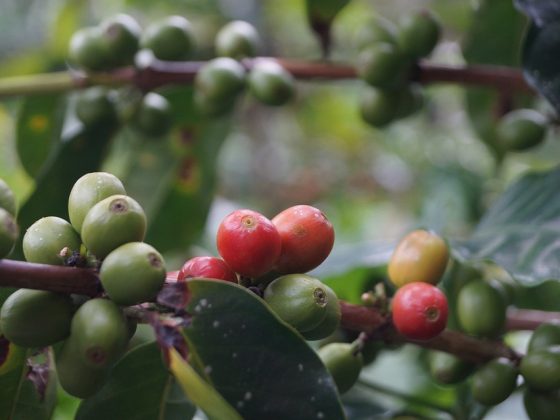
Pests are the uninvited guests at this coffee party: spider mites love dry indoor air, mealybugs tuck into leaf joints, and scale can look like harmless little bumps until it isn’t. Check leaf undersides weekly, wipe offenders away with a damp cloth or a dab of rubbing alcohol, and treat repeat visitors with insecticidal soap. Then comes the real patience test-cherry time. Coffee cherries start green, blush yellow, and finally turn deep red; pick only the fully ripe ones, because they ripen unevenly and rushing the harvest is like drinking half-brewed coffee. Indoors, that fruity finish may take months or simply refuse to show up, so treat any ripe cherry as a small, well-earned bonus. Q&ACoffee Bean Plant Q&A: The Stuff You’re Probably Wondering Got questions? Same. Here are the ones that come up most when people decide to grow a coffee bean plant at home. Can I grow a coffee plant from the beans in my kitchen? Short answer: probably not. Roasted beans are dead, so they won’t sprout. You need green, unroasted coffee beans-and ideally fresh ones. Grocery-store green beans can work if they haven’t been dried to death, but your best bet is a reputable supplier or a seed/cherry from a grower. How long does it take for coffee seeds to sprout? Patience, friend. Coffee seeds can take anywhere from 1 to 3 months to germinate. Keep them warm, moist, and not soggy. Can I grow one indoors? Yes! Coffee plants make pretty decent houseplants if you give them bright, indirect light, warmth, and humidity. They won’t love a dark corner or a radiator. How much light does it need? Bright, filtered light. Think “happy under a sheer curtain” rather than “desert sun.” Direct afternoon sun can scorch the leaves. **How often should I water The Way ForwardAnd there you have it, future coffee farmers! While you might not be sipping a home-brewed cup from your very own balcony harvest anytime soon (we did say patience is key, right?), the journey is seriously half the fun. So go on, grab that little green bean, give it a good soak, and get your hands dirty. Worst case, you end up with a gorgeous new houseplant that has a cool story. Best case? You’re well on your way to becoming the ultimate bean-to-cup boss. Have you tried your hand at growing a coffee plant? Any hilarious failures or amazing successes? Drop a comment below-we’d love to hear your story! Happy planting, friends! ☕🌱 
You May Also LikeEverything You Need to Know About Coffee Bean Plants!Unlock Your Perfect Brew: Discover Coffee Bean Types Today!Unlock Your Best Brew: Discover the Magic of Coffee Beans!Unlock the Magic: Grow Your Own Coffee Beans at Home!Uncovering the Origins of Your Morning Cup of CoffeeFrom Beans to Brew: Tracing Coffee’s OriginsExploring the Rich History of Coffee OriginsHow to Grind Coffee Beans Like a Pro: Tips and Techniques for the Perfect BrewInput your search keywords and press Enter. |
|---|