So you’ve decided you want to make better coffee at home-but every tutorial makes it look like you need a chemistry degree, a $400 grinder, and the patience of a saint. Relax. This isn’t that.
Welcome to your no-judgment coffee starter pack. Whether you’re not totally sure what a “bloom” is, you’ve been winging it with instant granules, or your fancy new moka pot is currently just a very shiny paperweight, we’ve got you. These easy coffee recipes are designed for clueless newbies: minimal gear, forgiving steps, and actual drinkable results-even before you’ve had your first caffeine hit. Let’s make something tasty, shall we?
Start With the Simplest Brew Method and Nail Your First Cup
Think of your first brew as a friendly handshake, not a barista exam. The French press is the easiest place to start: no paper filter, no pump, no blinking lights – just coffee, hot water, and a spoon. Grab a coarse grind (think sea salt, not sand), add one scoop per cup, pour water that’s just stopped bubbling, stir once, and let it sit for about four minutes. Then press slowly and pour. Your no-stress starter kit looks like this:
- Grind: coarse – chunky like raw sugar
- Ratio: 1 tablespoon coffee to 1 cup water
- Water: just off the boil, not a rolling volcano
- Timer:
Pick Budget Friendly Gear That Actually Makes a Difference
You can make shockingly good coffee with a mug, hot water, and a little patience-but a few cheap tools keep you from guessing your way into sad, watery cups. Start with the unsexy basics that quietly fix flavor: a digital kitchen scale so your coffee-to-water ratio stops being a vibe, a cheap milk frother for instant café-ish foam, and a French press because it’s forgiving, sturdy, and doesn’t demand a manual.
- Digital scale: turns “some coffee” into repeatable goodness.
- Milk frother: makes plain coffee feel like a treat in 20 seconds.
- French press: cheap, low-tech, and hard to mess up.
- Small notebook: yes, really-jot down what worked before you forget.
Skip the shiny espresso machine with 47 buttons and buy gear that earns its counter space. The sweet spot is usually simple, manual, and under $30-that’s where cheap tools actually change the taste instead of just collecting dust.
Gear Budget Sweet Spot Why It Earns Counter Space Digital scale ~$15 Consistency without guessing Milk frother ~$20 Café foam, zero barista drama French press ~$25 Forgiving brewing for sleepy brains 
Measure Your Coffee and Water Without Overthinking It
Here’s the zero-drama method: pick one mug, use it for both water and coffee scooping, and stop auditioning every spoon in your drawer. A heaping tablespoon per small cup is a solid starting point, then adjust after one taste – one taste, not a full existential crisis. No scale? No stress. Same mug, same scoop, same “close enough” energy every morning.
- One mug, one scoop – repeat it until it feels boring.
- Level grounds beat a mountain-top pile.
- J
Add Flavor Without Ruining Your Brew
Want to jazz up your java without turning it into a syrupy mess? The trick is to enhance, not overwhelm. Start with a small pinch or a tiny splash-you can always add more, but you can’t take it out. Also, temperature matters: add delicate flavors like vanilla or honey after brewing so the heat doesn’t kill them. And match your flavors to your roast-light roasts love fruity or floral notes, while dark roasts pair well with cocoa or cinnamon. Here are a few quick rules to keep your brew balanced:
- Less is more-start with 1/8 teaspoon of spices or 1/4 teaspoon of extracts.
- Stir, then taste-give it a moment to blend before adding more.
- Avoid acidic add-ins like lemon juice unless you’re making a specific cold brew recipe.
Ready to play? Try these simple combos that won’t wreck your cup: a dash of cinnamon in the grounds before brewing, a drop of vanilla extract in the mug after, or a spoonful of cocoa powder whisked into a latte. Check out the table below for easy ratios-and remember, a little goes a long way. Never dump flavorings straight into a hot carafe; pour your cup first, then customize. That way, if you hate it, you haven’t ruined the whole pot.Q&A
Q&A: Easy Coffee Recipes for Clueless Newbies
Q: I’m starting from zero. What’s the easiest coffee recipe to nail first?
A: Go for simple French press or mug-and-filter coffee. Use about 1 tbsp ground coffee per 6 oz hot-but not boiling-water, wait 4 minutes, press or filter, then add milk/sugar. It’s super forgiving and way better than sad instant coffee.
Q: I don’t have a coffee maker. Am I doomed?
A: Nope. A cheap pour-over cone with paper filters, a French press, or even a jar and a fine strainer can make decent coffee. No gadgets at all? Instant coffee + hot milk + a little sugar is a legit backup plan.
Q: What’s the easiest iced coffee recipe?
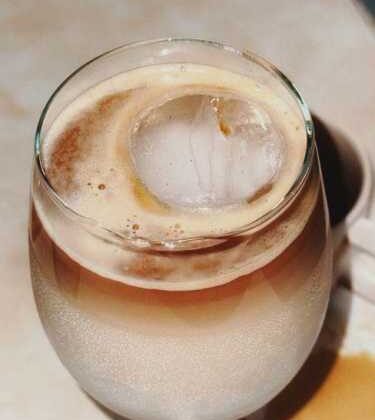
A: Brew coffee twice as strong as usual, let it cool, pour it over ice, and add milk plus a splash of vanilla or syrup. Or stir 2 tsp instant coffee into cold milk with ice-surprisingly decent and zero effort.
Q: How do I make a latte without an espresso machine?
A: Make strong coffee, warm some milk for 30-40 seconds, shake the milk in a jar until it gets foamy, and pour it over the coffee. Boom: lazy home latte.
Q: What coffee-to-water ratio should I use?
A: Start with 1 tbsp coffee per 6 oz water. Too weak? Add more coffee. Too strong? Add water or milk. Don’t overthink it-taste as you go.
Q: Why does my coffee taste bitter or watery?
A: Watery usually means too little coffee. Bitter usually means water was too hot, the coffee steeped too long, or the grounds are old. Use water just off the boil, measure roughly, and don’t let it sit forever.
Q: What should I buy if I’m clueless?
A: Medium roast ground coffee, a French press or pour-over cone, paper filters, and a kettle. That’s it. Skip the fancy gadgets until you actually enjoy the process.
Q: Any 2-minute recipe for busy mornings?
A: Mug cappuccino: 1 tsp instant coffee + 1 tsp sugar + 1 tsp hot water. Whisk until frothy, then add hot milk. Fast, foamy, and way cheaper than a café run.
Future Outlook
That’s a wrap!
So there you have it-easy coffee recipes for anyone who’s ever stared at a bag of beans and thought, “Now what?” You don’t need fancy gear, barista-level skills, or a minor in espresso science. Just start simple, taste as you go, and don’t stress if your first attempt looks more like a science experiment than a café masterpiece. (Been there.)
Pick one recipe, give it a shot, and tweak it until it tastes like your kind of coffee. And if you make a mess? Congrats-you’re officially learning.
Got a question, a win, or a hilarious coffee fail? Drop it in the comments. Now go brew something delicious-you’ve got this! ☕