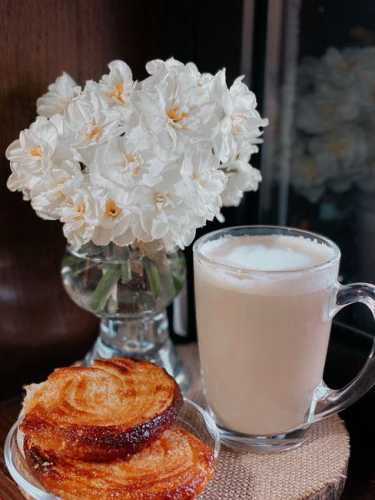
You know that moment when you’ve just landed somewhere new, you’re jet-lagged, mildly disoriented, and the only coffee in sight looks like it might taste like hot brown water? Yeah. Been there. The good news is that finding great coffee while traveling isn’t about luck, insider knowledge, or becoming a full-on coffee snob. It’s about knowing a few simple clues, asking the right questions, and being willing to wander a block or two away from the obvious tourist strip.
Whether you’re a “just give me a decent flat white” traveler or the kind of person who plans entire walking routes around espresso bars, this guide is here to help. We’ll cover how to spot a promising café from the street, what to order when you don’t speak the language, how to use local recommendations without falling into the influencer trap, and why the best coffee often hides in the least glamorous-looking places. No gatekeeping, no complicated gear-just practical tips for getting a great cup pretty much anywhere you go.
So grab your passport, keep your caffeine expectations high, and let’s make sure your next trip starts with coffee worth waking up for.
Skip the hotel lobby and ask a barista where they grab their morning cup
The best coffee tip in town rarely comes from a concierge behind a polished desk. It comes from someone with a milk pitcher in one hand and a line of regulars who know their order by heart. So walk a few blocks, find a busy café, and ask the barista a couple of low-key questions while they’re pulling shots:
- “Where do you go on your day off?” – that’s usually the spot with personality, not just a pretty latte.
- “Who’s roasting something local right now?” – this points you toward beans with actual neighborhood flavor.
- “What should I order if I want the real version?” – baristas love a curious traveler, not a complicated custom order.
Once you’ve got a name, do a quick filter: look for a spot that’s busy at 8 a.m., check if the espresso machine sounds like it’s getting a workout, and trust the place with a few locals scrolling their phones instead of a menu built for photos. If the recommendation is a tiny counter, a market stall, or a bakery with three stools, even better – that’s usually where the good stuff hides.

Look for a busy machine and a short menu before you order anything fancy
Before you get dazzled by lavender-honey-cold-foam theatrics, scan the room for the real clues. Movement beats décor: a grinder that keeps singing, steam wands hissing, and a barista who looks like they’ve done this dance a thousand times. If the espresso machine is idle while the blender is doing all the work, walk on. You want a café that’s busy with coffee, not busy with Instagram props.
- Listen for the grinder – steady grinding usually means fresh shots.
- Watch the queue – locals in a hurry are a solid signal.
- Check the board – a tight list of classics often beats a spiral-bound novel of flavors.
A compact menu is usually a quiet flex: the team knows what it does well and doesn’t bury the espresso under caramel drizzle. Ask what they’re proud of, then order the simplest thing that lets the coffee speak. Use the table below as a fast field guide when you’re standing in the doorway, trying to look casual.
| What you see | What it usually means |
|---|---|
| Grinder running nonstop | Fresh coffee, real turnover |
| Menu fits on one small board | Confidence, less chaos |
| Barista asks how you take your espresso | They care about the shot |

Use local coffee apps and neighborhood walking routes to find hidden roasters
Skip the generic “best coffee” list and poke around the locals’ digital hangouts instead. Local coffee apps and city-specific café maps are gold for spotting tiny roasters that never bother with SEO, so check what baristas and bike couriers are saving, not just what has the shiniest photos.
- Fresh-drop alerts: filter for beans roasted in the last week, not just cafés with pretty latte art.
- Neighborhood clusters: save three or four spots close together so you can compare roasts without crossing the whole city.
- Local chatter: read the weirdly specific reviews-someone complaining about a “too fruity” espresso is usually a great sign.
Then let your feet do the filtering: pick a neighborhood walking route that loops through side streets, markets, and residential blocks instead of the main tourist drag. Hidden roasters tend to hide behind loading docks, tiny storefronts, and “wholesale only” signs, so keep your eyes open and your pace slow.
- Follow the smell: a sudden warm, toasty scent is basically a free breadcrumb trail.
- Peek past the counter: bags stacked near the grinder usually mean they roast their own beans.
- Loop back later: quiet morning routes often reveal totally different spots once the lunch crowd clears out.
Taste before you commit and ask for the house filter to judge the shop fast
Before a cute chalkboard or velvet-rope espresso bar wins you over, ask for a small taste and keep your wallet closed for five minutes. A good shop should happily pour you a sample of the house filter – not because it’s fancy, but because it’s the honest daily brew. Treat that first sip like a fast cheat code:
- Smell it first: wet cardboard vibes mean keep walking.
- Check the finish: clean and sweet beats bitter and punishing.
- Ask what “house filter” means: batch brew, V60, or Chemex – clarity matters more than the label.
- Watch the pour: a rushed, boiling-hot splash usually shows up in the cup.
Use that house brew as your quick judge. If it tastes balanced, juicy, and not like regret, you’ve found a keeper; if it’s muddy or burnt, order tea and save your caffeine budget. Here’s the short version for reading the room before you commit:
| Quick check | What it tells you | Green flag |
|---|---|---|
| House filter taste | Daily brewing skill | Clean, sweet finish |
| Staff answer | How well they know the beans | Specific, not vague |
| Pour speed | Care under pressure | Steady and deliberate |
Q&A
Here’s a ready-to-use Q&A section for your article:
Q&A: How to Find Great Coffee Anywhere You Travel
Q: Okay, big question: how do I actually find great coffee in a city I’ve never been to?
A: Start with a quick map search, but don’t just sort by star rating and call it a day. Look for reviews that mention fresh beans, pour-over, local roasters, or “best flat white I’ve had.” Then cross-check with Instagram or local coffee forums. And here’s the golden rule: walk a few blocks away from the main tourist drag. Great coffee loves side streets.
Q: Are online reviews trustworthy?
A: Mostly, but read between the lines. A tiny café with 20 reviews can be way better than a place with 2,000 reviews and a line out the door. Look for specific coffee words like “single origin,” “roast date,” “espresso,” or “pour-over.” If the reviews are only about the Wi-Fi and the avocado toast, maybe don’t get your hopes up.
Q: What should I look for when I walk into a coffee shop?
A: Quick vibe check: Are there bags of beans with roast dates? Is the grinder running? Does the menu have actual brew options? Do the baristas look like they care? If you see beans baking in a sunny window and a machine that looks like it’s been through a war, maybe keep walking.
Q: Should I ask locals where to go?
A: Absolutely. Locals are your secret weapon. But ask specifically: “Where do you go for a proper espresso?” or “Who roasts their own beans around here?” Avoid “What’s the best coffee?” – you’ll usually get the tourist-friendly answer. Baristas at a good shop are also gold for next-stop recommendations.
Q: What if there’s a language barrier?
A: Learn a few coffee words: espresso, black coffee, milk, sugar, flat white, pour-over. Point at menus, use a translation app, and smile. Coffee is universal. If all else fails, order an espresso – it’s hard to mess up and easy to say.
Q: Should I bother with hotel coffee?
A: Sometimes! But treat hotel coffee as a backup, not a destination. If they’ve got a decent machine and fresh beans, great. Otherwise, use it to wake up and then go find the good stuff.
Q: What about chains? Are they ever okay?
A: Sure – chains are reliable, familiar, and open early. But if you’re hunting for great coffee, use them as a safety net, not your main plan. Independent cafés and local roasters are where the fun, weird, delicious stuff lives.
Q: How can I tell if the beans are fresh?
A: Look for a roast date, not just a best-by date. Fresh beans usually have a date within the last few weeks. If there’s no date, or nobody can tell you when they were roasted, that’s a yellow flag. You don’t need to be a coffee snob – just ask.
**Q: What should
To Conclude
One Last Sip
So there you have it-finding great coffee while you travel doesn’t have to be a big, stressful mission. Trust your nose, ask the locals, wander a little, and don’t be afraid to order something you can’t pronounce. The best cups usually come with a good story anyway.
And hey, if you end up with a mediocre espresso once in a while? No big deal. That’s just research for your next coffee hunt. ☕
Now go forth, sip bravely, and may your travel mug never be empty. Got a favorite coffee spot from your own adventures? Drop it in the comments-I’m always adding to my list!