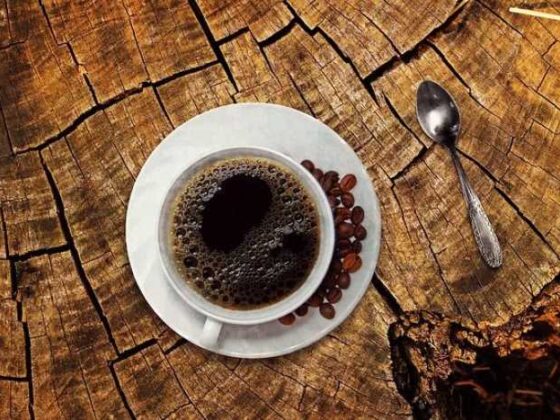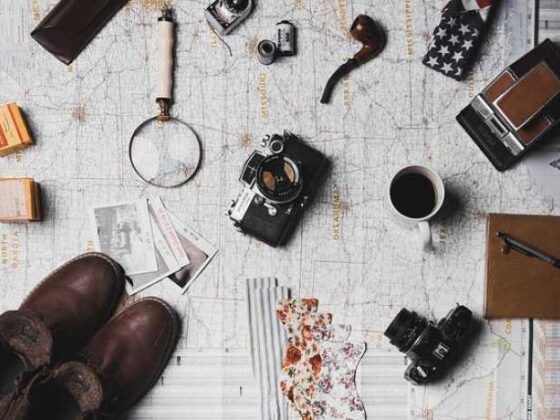
So you want to travel for coffee, but you’re not sure where to start-welcome to the club. Maybe you’ve mastered your local café’s flat white, or maybe you’re still figuring out whether you actually like espresso or just the idea of it. Either way, coffee travel is less about being a certified bean snob and more about following your curiosity (and your caffeine cravings) to new places. Think cozy cafés in Lisbon, bustling markets in Mexico City, or a farm visit where you finally see where your morning brew begins. In “Coffee Travel for Newbies: Your First Sip,” we’re keeping things simple, practical, and a little caffeinated. No jargon overload, no gatekeeping-just honest tips for planning your first coffee-focused trip, tasting without feeling awkward, and enjoying every sip along the way. Grab a mug, settle in, and let’s take that first delicious step together.
Start With a City That Makes Coffee Easy for Beginners
Pick a city where the coffee scene feels like a friendly handshake, not a pop quiz. Look for walkable café clusters, menus with plain-language tasting notes, and baristas who seem happy to answer “what’s a cortado?” without making you feel like a tourist with a bullhorn. A beginner-friendly coffee city usually has short menus, plenty of seating, and at least one spot that offers a simple tasting flight so you can compare without committing to a giant mug.
- Walkability: several cafés within a lazy stroll
- Friendly menus: clear descriptions, no secret handshake required
- Patient baristas: welcome questions and custom orders
- Beginner flights: small tastes, low pressure
Once you’ve found that city, keep your first coffee days low-stakes and a little playful. Start with one espresso-based drink and one brew, then use a simple scorecard to notice what you actually like-no need to fake tasting “hints of stone fruit” unless you truly taste them. The table below is an easy way to compare your first few sips without turning your trip into homework.
| First Sip | What to Notice | Beginner Win |
|---|---|---|
| Cappuccino | Milk-to-coffee balance | Comforting and easy |
| Pour-over | Clean flavor, aroma | Lets you taste the bean |
| Cortado | Strong but small | Low commitment |
| Cold brew | Smooth, low acidity | Forgiving and refreshing |
Order Like a Local Without Pretending You Know Everything
Your goal isn’t to impersonate a seasoned barista-it’s to order something you’ll genuinely enjoy and show a little curiosity. Start with these low-pressure moves:
- Ask what’s local or popular – “What do folks around here usually order?” works every time.
- Keep it simple first – a flat white, batch brew, or cortado tells you more about a shop than a triple-syrup mystery drink.
- Watch the size names – small, medium, and large can save you from accidentally ordering a bucket in a country that takes coffee seriously.
If the menu reads like a chemistry exam, don’t panic-just use plain language and let the barista guide you. Try:
- “What would you drink here?” – locals love giving a real recommendation.
- “Not too sweet, please” or “Strong but smooth” – simple clues beat fake expertise.
- “Can I try it the traditional way?” – respectful, curious, and way less awkward than guessing.
Build a Simple Cafe Route Around Your Energy and Budget
Think of your first coffee crawl like a choose-your-own-adventure, not a marathon. Start with a low-effort anchor cafe near your starting point, then let your mood and wallet decide the next stop. A smart route mixes one “wow” coffee with backup spots that are close, cheap, and easy to skip if your caffeine buzz turns into a nap signal.
- Low energy? Pick two spots within a five-minute walk and order small.
- Tight budget? Choose one signature drink, then split a pastry or go for brewed coffee.
- High energy? Add a scenic walk between cafes and save the farthest stop for last.
Before you head out, sketch a loose loop with a treat stop, a budget-friendly refuel stop, and a bail-out point near transit. That way you can splurge on the coffee that matters, keep the rest casual, and still feel like you “traveled” without spending your whole day’s cash on tiny cups.
| Your vibe | Smart cafe move |
|---|---|
| Sleepy but curious | Start close, keep it to two cafes |
| Buzzing with energy | Walk between three spots, save the best for last |
| Budget watch | One fancy drink, one simple brew |
| Low cash, high mood | Pick cafes with free water and good people-watching |
Pack Light and Keep a Backup Plan for Rainy Coffee Days
Your first coffee trip doesn’t need a sherpa-sized suitcase. Build a tiny, mighty kit that slips into a daypack and leaves room for spontaneous pastry purchases:
- Collapsible cup – saves space and doubles as a scoop for beans.
- Compact dripper + filters – hotel-room coffee that doesn’t taste like regret.
- Sealed bean stash – a small zip pouch keeps your favorite roast fresh.
- Microfiber cloth – wipes spills, steams up windows, and dries a wet café chair.
For drizzly detours, have a Plan B that fits in your pocket: screenshot a couple of indoor cafés near
Q&A
Q&A: Coffee Travel for Newbies – Your First Sip
Q: Okay, what even is “coffee travel”? Do I need to book a flight to Colombia?
A: Nope – unless you want to, in which case, respect. Coffee travel just means planning a trip (near or far) around coffee: visiting local cafés, roasteries, markets, and maybe a farm or cupping if you’re feeling fancy. It can be a weekend in the next city over or a full-on coffee crawl. The point is to drink, learn, and enjoy.
Q: I barely know my espresso from my elbow. Is this still for me?
A: 100%. Coffee travel is honestly better for newbies because everything’s exciting and you haven’t become a snob yet. You don’t need to know tasting notes or origin jargon. Start with “What do you recommend?” and you’re already winning.
Q: How do I pick a good first coffee destination?
A: Pick a place with a few well-reviewed cafés or roasters, but don’t overplan. A city with a compact coffee scene is easier than a huge one. Bonus points if there’s local food nearby – coffee tastes better when followed by a pastry. And if you’re nervous, start with a day trip or a weekend, not a two-week coffee pilgrimage.
Q: How do I order coffee without panicking?
A: Keep it simple: “Can I get a latte, please?” works almost everywhere. If the menu is confusing, say, “I usually like _ – what would you suggest?” Baristas are usually happy to help. And yes, you can ask for milk and sugar. No one’s going to revoke your coffee card.
Q: What if I don’t like black coffee?
A: Then don’t drink black coffee! Get a latte, cappuccino, flat white, mocha, cold brew with milk, whatever sounds good. Coffee travel is about finding what you like, not proving you can handle the most bitter cup in the room. Liking a sweet iced latte is still a valid coffee experience.
Q: How do I taste coffee without sounding super pretentious?
A: Use normal words. Does it taste fruity, nutty, chocolatey, sour, bitter, watery, smooth? Does it remind you of anything? That’s it. You don’t need to say “I’m getting notes of bergamot and stone fruit.” You can say, “This tastes like dark chocolate and my grandma’s porch.” Weird? Maybe. Valid? Absolutely.
Q: Should I do a cupping or tasting as a beginner?
A: Yes, if you’re curious – but go in knowing it can feel a little intense. Cuppings are basically a structured coffee tasting. You’ll slurp loudly, compare cups, and maybe feel lost for the first five minutes. That’s normal. Ask questions, take notes, and don’t wear perfume. Also, don’t chug the coffee. Slurp, taste, spit if you want.
Q: How do I find good local coffee spots?
A: Ask locals, check Google Maps reviews, look for places that roast their own beans, and follow your nose. A good sign: a menu that’s not a novel, staff who seem happy to chat, and a decent line of regulars. Also, don’t just hit the Instagram-famous spot. Sometimes the tiny café with plastic chairs makes the best cup.
Q: What should I pack for a coffee-focused trip?
A: Comfortable shoes, a small notebook or notes app, a reusable cup if you’re into that, a translation app, and maybe a little cash. Don’t overload on gear. You do not need to bring your own grinder unless you’re that person. (No judgment.) Also pack water and snacks – caffeine on an empty stomach is a rookie mistake.
Q: How much should I budget for coffee travel?
A: It depends on where you go, but set a daily coffee budget and stick to it. You don’t need to order a flight at every stop. Share drinks, get a small size, or mix in free walking time. The best coffee experiences are often cheap: a local brew, a pastry, and a chat with the barista.
Q: Any etiquette tips so I don’t look like a total newbie?
A: Sure: don’t hog a table during rush hour, ask before taking photos of staff or equipment, tip according to local norms, and keep your voice at indoor level. If you’re at a roastery or cupping, ask before grabbing beans or touching equipment. And if you don’t know something, just ask. Curiosity is charming; pretending to know everything is not.
Q: How do I avoid caffeine overload?
A: Pace yourself. Drink water, eat something, and don’t be afraid to order decaf or half-caf. You can also taste and share rather than finishing every cup. A coffee trip
Final Thoughts
There you have it – your starter guide to sipping your way around the world without feeling like a total noob. Remember, coffee travel isn’t about being a snob or knowing every single origin by heart. It’s about showing up, ordering something you can’t pronounce, and letting the barista guide you. Worst case? You get a mediocre cup and a funny story. Best case? You find a new favorite brew and a little café you’ll dream about for years.
So don’t overthink it. Pack light, bring a sense of adventure, and maybe a reusable cup while you’re at it. Your first coffee trip doesn’t have to be perfect – it just has to happen. Now go on, take that first sip. The world’s got plenty of cups waiting for you.
Happy travels (and even happier sipping!), ☕✈️